

About the Author
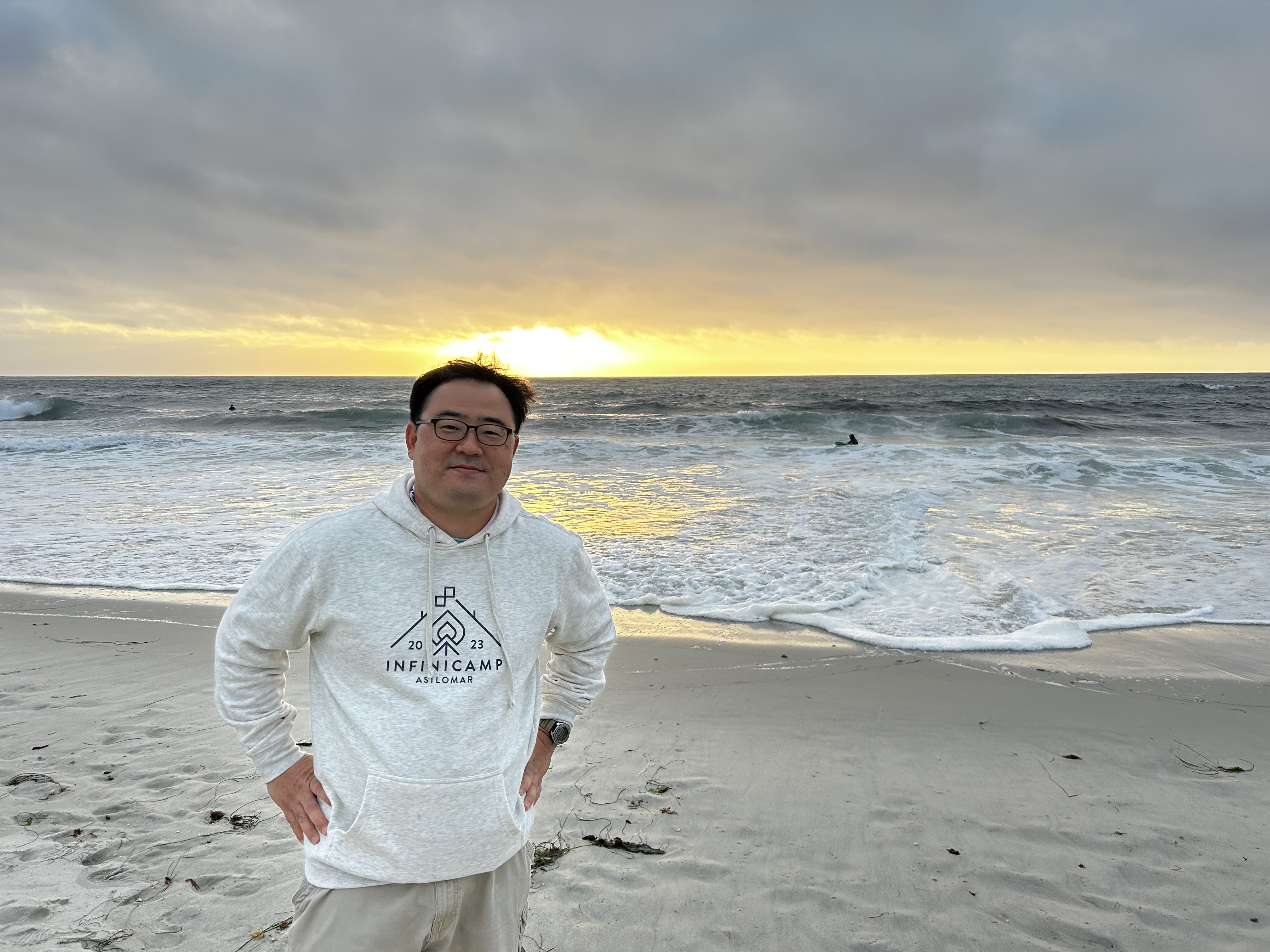
Hi, I’m Stan Lee.
Section titled “Hi, I’m Stan Lee.”I’m a Staff Software Engineer based in Rocklin, California, with over fifteen years of experience building software for Silicon Valley companies — work that has spanned very different layers of the stack, from firmware that runs before the operating system to large-scale web platforms used by real customers every day. My career hasn’t followed a straight line, and that winding path is exactly what shaped how I think about systems.
I started out deep in BIOS and UEFI firmware at Dell, debugging issues across servers, desktops, laptops, storage, and switches. From there I moved into distributed systems, then backend services, and eventually frontend web development — each step bringing me closer to products, users, and impact. Working across every layer taught me to ask not only how a system works, but why it matters.
Today I’m a Staff Software Engineer at BILL in San Jose, where I lead frontend architecture and authentication and identity work for the company’s Spend & Expense product line. Before BILL, I led GraphQL backend and federation work at Rivian, built customer-portal and conversational-AI features at Infinitus Systems, designed authentication systems on AWS Cognito at Kind Health, and spent six years at Dell spanning firmware, hardware bring-up, and web development.
How I think about software
Section titled “How I think about software”I’ve worked as a backend, frontend, and full-stack engineer, designing APIs, GraphQL platforms (including Federation), distributed systems, and the user-facing applications on top of them. I’ve helped build enterprise-scale products, supported high-stakes launches, and worked across teams with very different constraints — from fast-moving startups to regulated industries.
Along the way I’ve learned that good software engineering is less about chasing trends and more about fundamentals: clear thinking, solid abstractions, and an honest understanding of trade-offs. That bias toward fundamentals is what shaped this site.
Why this site exists
Section titled “Why this site exists”System design interviews ask senior engineers to defend architectural decisions under time pressure — and most of the available material is either too shallow (“here are some buzzwords”) or too sprawling (a 600-page book you’ll never finish). I wanted a study companion that respected the reader’s time: short enough to read in a sitting, dense enough to power a real whiteboard discussion, and opinionated enough to be useful. That’s the bar I held every page on this site to.
If you’re preparing for a system design loop, I hope these notes save you time. If you find something wrong, unclear, or missing, please tell me — system design is a craft, and good craft only improves through feedback.
Where else I write
Section titled “Where else I write”I also publish at SWENG.dev, where I write longer-form pieces on system design, backend and frontend engineering, architecture decisions, tooling, performance, and the less-discussed parts of the job — career transitions, technical debt, and how engineers grow over time. Lately I’ve also been exploring AI and agent-based systems there: not as a buzzword, but as another set of tools that senior engineers need to understand deeply to use responsibly.
For Korean-speaking readers, I keep a separate blog at StanStory.com.
A few things about me
Section titled “A few things about me”- Location: Rocklin, CA (USA)
- Education: MS in Computer Science, Yale University · Bachelor in Business Administration, Seoul National University (South Korea) · BS in Electrical Engineering & Computer Science, KAIST (South Korea)
- Tools I reach for most: TypeScript / JavaScript, Go, Node.js, React, Next.js, GraphQL (and Federation), PostgreSQL, MongoDB, DynamoDB, AWS, Kubernetes
- Outside of work: family, piano, guitar, table tennis, and the occasional weekend side project
Get in touch
Section titled “Get in touch”I’d love to hear from you — feedback on this site, questions about a topic, or just a hello.
- Email: stanley.s.lee@gmail.com
- Personal site: https://stanlee.tech
- Blog: https://sweng.dev
- GitHub: https://github.com/stancs
- LinkedIn: https://www.linkedin.com/in/stanlee-cs
Thanks for stopping by. Hope you find something useful here. 🙏